
Call us now :08071793724
 Send Inquiry
 Send Inquiry
SFP (Small Form Factor Pluggable)
Price 1500 INR/ Piece
MOQ : 2 Pieces
SFP (Small Form Factor Pluggable) Specification
- Operating Temperature
- 0C to 70C (Commercial)
- Mounting Type
- Plug-in module
- Model
- SFP-LX/SX/CU (Various models)
- Features
- Hot swappable, Digital Diagnostics Monitoring (DDM), Compact size
- Size
- Standard SFP size
- Range
- 550m (SX), 10km (LX), 100m (Copper)
- Connectivity Type
- Fiber Optic/Copper
- Power Supply
- +3.3V DC
- Frequency
- 850nm (SX), 1310nm (LX)
- Shelf Life
- 5 years
- Interface Type
- LC connector (Fiber)/RJ45 (Copper)
- Product Type
- SFP (Small Form Factor Pluggable) Transceiver Module
- Application
- Telecommunications, Data Center, Networking Equipment
- Dimension (L*W*H)
- 56.5mm x 13.4mm x 8.6mm
- Material
- Metal Enclosure
- Weight
- ~20g per module
- Capacity
- Data Rate up to 1.25Gbps (Gigabit Ethernet)
- Coverage Area
- Up to 10 km (Depends on model and fiber type)
- Storage Temperature
- -40C to 85C
- Data Rate Support
- 100Mbps/1Gbps
- Transmitter Output Power
- -9.5 dBm to -3 dBm (typical SX/LX)
- Receiver Sensitivity
- < -20 dBm (typical)
- Compatible With
- IEEE 802.3z, 802.3ab standard devices
- Power Consumption
- <1W
- Wavelength Options
- 850nm, 1310nm, 1550nm
- Humidity
- 5% to 95%, non-condensing
- Management Interface
- Digital Diagnostic Monitoring (DDM/DOM)
- Case Temperature Range (Industrial)
- -40C to 85C (Optional)
- Laser Type
- VCSEL (SX), FP Laser (LX)
SFP (Small Form Factor Pluggable) Trade Information
- Minimum Order Quantity
- 2 Pieces
- Supply Ability
- 500 Pieces Per Month
- Delivery Time
- 7 Days
SFP (Small Form Factor Pluggable) About
An SFP (Small Form-Factor Pluggable) is a compact, hot-pluggable transceiver used in telecommunications and data networks for high-speed connectivity. Supporting both copper and fiber optic cables, these modules enable seamless data transmission. We offer industry-standard SFPs designed for easy integration and optimal performance from reputed brands.
Versatile Wavelength and Connectivity Options
These SFP modules support 850nm (SX), 1310nm (LX), and 1550nm wavelengths, catering to diverse network distances and infrastructures. You may choose fiber optic (LC) or copper (RJ45) interfaces, empowering you to optimize link lengths and network types according to deployment needs.
High Performance and Standards Compliance
Built to support data rates from 100Mbps up to 1.25Gbps, these modules are fully compatible with IEEE 802.3z and 802.3ab devices. The SFP modules are hot-swappable, feature digital diagnostics monitoring (DDM), and are engineered for commercial (0C to 70C) and optional industrial-grade (-40C to 85C) environments.
Applications and Durability
Ideal for use in telecommunications, data centers, and networking equipment, these modules feature a sturdy metal enclosure. With a shelf life of up to five years and humidity tolerance up to 95% (non-condensing), they guarantee lasting performance even in rigorous environments.
FAQ's of SFP (Small Form Factor Pluggable):
Q: How do I choose the correct SFP module for my network?
A: Selecting the right SFP module depends on your required distance, network speed, and physical infrastructure. Use 850nm (SX) modules for short-distance fiber up to 550m, 1310nm (LX) for up to 10km, and copper (RJ45) modules for connections up to 100m. Ensure compatibility with IEEE 802.3z or 802.3ab for seamless integration.Q: What are the main benefits of using SFP modules with digital diagnostic monitoring (DDM)?
A: Digital diagnostic monitoring (DDM) allows real-time monitoring of critical parameters such as temperature, optical power, and supply voltage. This helps with proactive maintenance, simplifies troubleshooting, and enhances network reliability.Q: Where can these SFP modules be used?
A: They are suitable for a wide range of applications, including telecommunications infrastructure, data center interconnections, and general networking equipment. Their robust operating and storage temperature ranges make them ideal for both controlled environments and more demanding industrial settings.Q: What is the process for installing or swapping an SFP module?
A: SFP modules are hot-swappable and mount directly onto compatible network devices. Simply insert the module into the SFP port and secure it. No system shutdown is required, which makes upgrades and replacements quick and convenient.Q: When should I use an industrial-grade SFP module?
A: Choose industrial-grade SFP modules when your network gear operates in environments with extreme temperatures or challenging conditions, as these models are rated for -40C to 85C and high humidity, ensuring consistent performance.Q: What type of connectivity and interfaces do these modules offer?
A: The modules are available with LC connectors for fiber optic connections and RJ45 interfaces for copper links, supporting both Gigabit and Fast Ethernet solutions and ensuring broad compatibility with existing network infrastructure.Q: How long do these SFP modules last, and what is the typical shelf life?
A: With durable construction and stable electronic components, these SFP modules typically last for many years in active service and have a shelf life of up to five years when properly stored.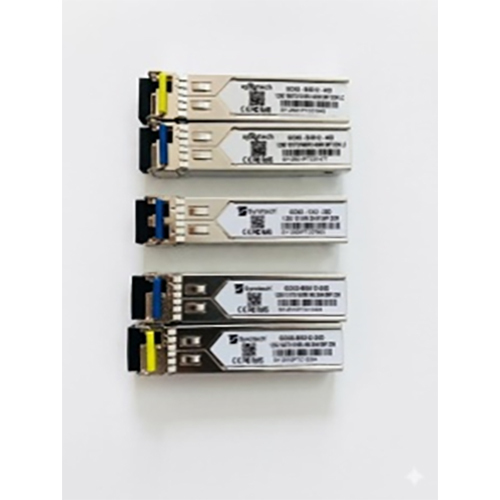
Tell us about your requirement

Price:
Quantity
Select Unit
- 50
- 100
- 200
- 250
- 500
- 1000+
Additional detail
Mobile number
Email

More Products in Telecom & IT Networking Products & Accessories Category
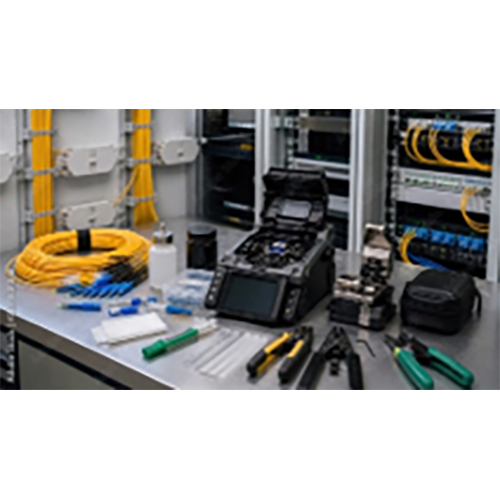
Fiber splicing machine
Price 110000 INR / Piece
Minimum Order Quantity : 1 Piece
Material : Highquality industrial plastic and metal
Size : Portable, compact design
Application : Fiber optic cable splicing and network installation
Product Type : Fiber Splicing Machine
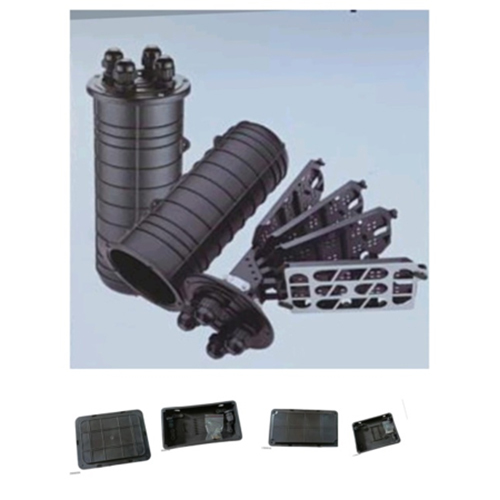
Fiber optic joint closure
Price 500 INR / Piece
Minimum Order Quantity : 20 Pieces
Material : High quality engineering plastic (ABS/PC)
Size : Standard 48core closure
Application : Fiber optic network jointing and splicing
Product Type : Dome type fiber optic joint closure
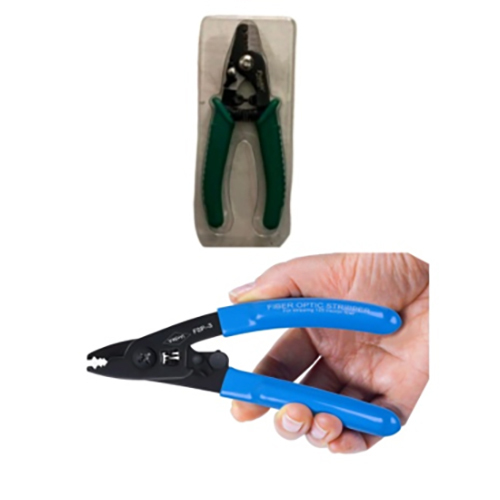
Fiber stripper
Price 1000 INR / Piece
Minimum Order Quantity : 5 Pieces
Material : Highcarbon steel with PVC handles
Size : 6.3 inches
Application : Fiber optic cable stripping
Product Type : Manual fiber stripper
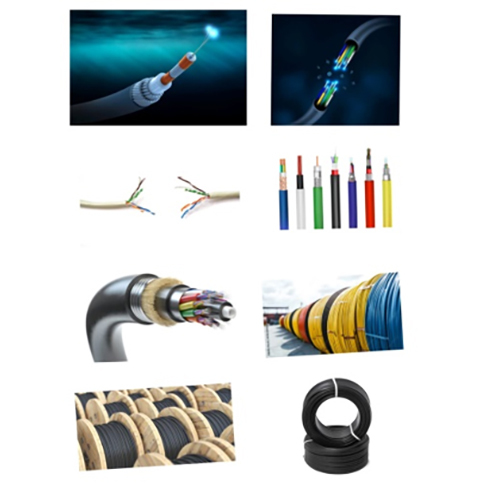
Telecommunication Cables
Price 12 INR / Roll
Minimum Order Quantity : 1 Meter
Material : PVC
Size : Standard
Application : Telecom Networking
Product Type : Telecommunication Cables

 Send Inquiry
Our Products

Shop No.18, Mayur Complex, Khodiyar Colony, Near Crystal Mall,Jamnagar - 361006, Gujarat, India

Mr Kantibhai A. Vadhvana
(Proprietor)
Mobile :08071793724
 Send Inquiry
 Send SMS
Developed and Managed by Infocom Network Private Limited.
