
Call us now :08071793724
 Send Inquiry
 Send Inquiry
TELECOM RACKS AND CABINETS
Price 2500 INR/ Piece
MOQ : 1 Piece
TELECOM RACKS AND CABINETS Specification
- Connectivity Type
- Fiber optic and copper cable compatible
- Mounting Type
- Floor Standing / Wall Mount
- Size
- Standard 19 inches (custom sizes available)
- Shelf Life
- More than 10 years
- Power Supply
- Optional AC Input Panel
- Operating Temperature
- -20C to +60C
- Frequency
- N/A (Passive Equipment)
- Range
- Indoor/Outdoor use
- Interface Type
- RJ45, SC, LC, and others supported
- Features
- Ventilated panels, cable management, lockable doors, modular design
- Model
- Standard 19 rack mount configuration
- Product Type
- Telecom Rack / Cabinet
- Application
- Telecommunication Networks, Data Centers, Network Infrastructure
- Dimension (L*W*H)
- 600mm x 600mm x 1200mm (customizable)
- Material
- Powder Coated Steel / Aluminum Alloy
- Weight
- 35-60 kg depending on model
- Capacity
- Up to 42U
- Coverage Area
- Per cabinet/enclosure size
- Cable Management
- Ample cable entry/exit ports, cable trays
- Cooling Options
- Passive & Forced ventilation (fan units optional)
- Assembly
- Flat packed and pre-assembled models available
- Compatibility
- Compatible with all standard rack mountable telecom equipment
- Ingress Protection
- IP55 / IP65
- Surface Finish
- Powder coated, corrosion resistant
- Ventilation
- Perforated panels for airflow
- Safety
- Grounding and bonding provisions included
- Color Options
- Gray, Black, Custom colors available
- Accessories
- Adjustable shelves, PDU, cable organizers, fans
- Door Type
- Front/rear lockable, single or double door configuration
TELECOM RACKS AND CABINETS Trade Information
- Minimum Order Quantity
- 1 Piece
- Supply Ability
- 500 Pieces Per Month
- Delivery Time
- 7 Days
TELECOM RACKS AND CABINETS About
LIU (Line Interface Unit): also known as a Fiber Optic Patch Panel. It is a central enclosure used to securely house, organize, and terminate fiber optic cables, enabling seamless connections between fiber lines and network equipment.
Common Types:
- Rack-Mounted LIUs: Standardized sliding or fixed drawers. Ideal for data centers and large-scale telecom hubs.
- Wall-Mounted LIUs: Compact, secure boxes installed on walls for smaller setups or remote network extensions.
CCTV RACKS: CCTV rack (or DVR/NVR enclosure) is a secure, wall-mounted metal cabinet designed to protect surveillance and networking gear from tampering and dust. These enclosures keep your critical recording equipment neatly organized and secure in homes, offices, and commercial security control rooms.
Superior Protection for Critical Equipment
Designed with IP55 and IP65 ingress protection ratings, these telecom racks and cabinets guard sensitive electronics against environmental hazards such as dust, moisture, and accidental contact. The robust, powder-coated steel or aluminum enclosure ensures longevity and resistance to corrosion, delivering safer, more reliable network operation in both indoor and outdoor environments.
Optimized Cooling and Cable Management
Our cabinets offer flexible ventilation solutions, including passive airflow via perforated panels and optional forced cooling with fan units. Extensive cable entry and exit ports and included cable trays help keep equipment organized, making installation and maintenance straightforward. This superior cable management promotes optimal airflow and reduces the risk of tangling or signal interference.
FAQ's of TELECOM RACKS AND CABINETS:
Q: How does the ingress protection (IP55/IP65) benefit telecom racks and cabinets?
A: Ingress protection ratings of IP55 and IP65 shield your equipment from dust, dirt, and water jets, offering enhanced safety and durability for both indoor and outdoor deployments, helping minimize downtime from environmental damage.Q: What cooling options are available for these telecom cabinets, and why is cooling important?
A: Our racks feature both passive ventilation, utilizing perforated panels for airflow, and forced ventilation with optional fan units. Cooling prevents overheating of network devices, maintaining optimal performance and prolonging the life of your hardware.Q: When should I choose a floor standing model versus a wall mount rack?
A: Floor standing racks are suited for larger equipment arrays or where high capacity (up to 42U) is required, typical in data centers. Wall mount models are ideal for space-saving, smaller setups, or limited infrastructure, often found in compact network environments.Q: Where can these cabinets be installed, and are they suitable for outdoor environments?
A: Thanks to their powder-coated finish, robust build, and IP55/IP65 ratings, these cabinets are versatile for installation in data centers, telecom network rooms, or sheltered outdoor locations, making them reliable across different settings.Q: What is the assembly process for these racks?
A: Racks are available both flat-packed for easy transportation and on-site assembly, or pre-assembled for immediate deployment. Comprehensive instructions and all assembly hardware are provided for a smooth installation experience.Q: How does the cable management system improve usability and maintenance?
A: Ample cable entry/exit ports, cable trays, and organizers are built in, streamlining cable routing and reducing clutter. This simplifies setup, makes maintenance tasks quicker, and helps maintain high network performance by minimizing cross-talk and airflow blockage.Q: What are the key benefits of using these telecom racks and cabinets for my infrastructure?
A: Key benefits include standardized compatibility with all rack-mount telecom equipment, customizable sizing and color, robust environmental protection, efficient cooling, and superior cable management. This ensures reliable equipment operation, easier maintenance, and trustworthy physical security for your network infrastructure.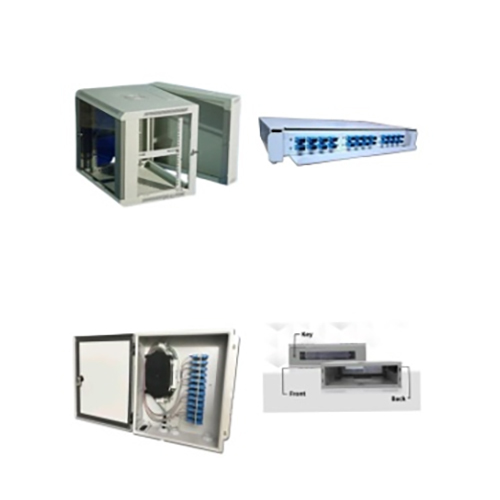
Tell us about your requirement

Price:
Quantity
Select Unit
- 50
- 100
- 200
- 250
- 500
- 1000+
Additional detail
Mobile number
Email

More Products in Telecom & IT Networking Products & Accessories Category
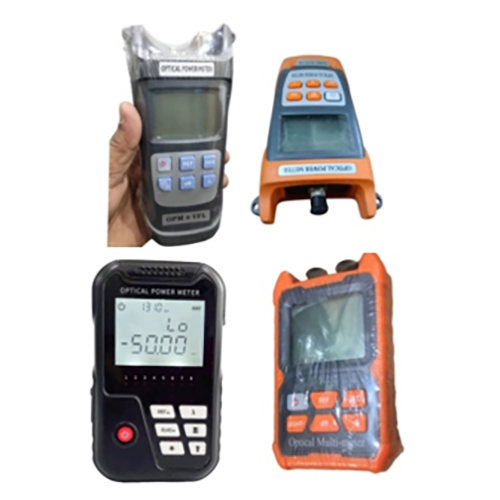
OPTICAL POWER METER
Price 2500 INR / Piece
Minimum Order Quantity : 1 Piece
Product Type : Handheld Optical Power Meter
Material : ABS Plastic
Application : Fiber optic cable testing, Telecom maintenance, Network troubleshooting
Features : Backlit display, AutoOff function, Low battery indicator
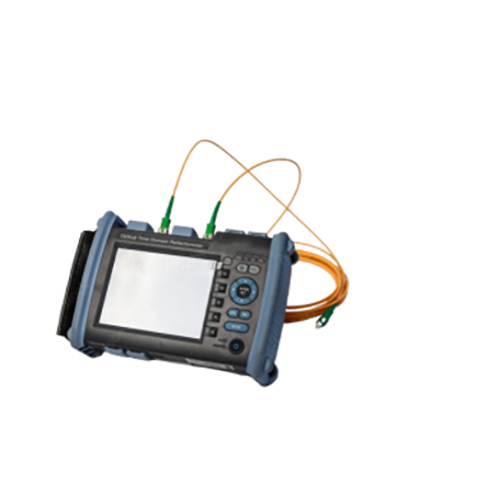
OTDR Meter
Price 25000 INR / Piece
Minimum Order Quantity : 1 Piece
Product Type : Optical Time Domain Reflectometer (OTDR)
Material : ABS/Polycarbonate rugged casing
Application : Fiber optic network testing, telecommunications, CATV maintenance
Features : Color LCD screen, Long battery life, USB data download, Storage for test results
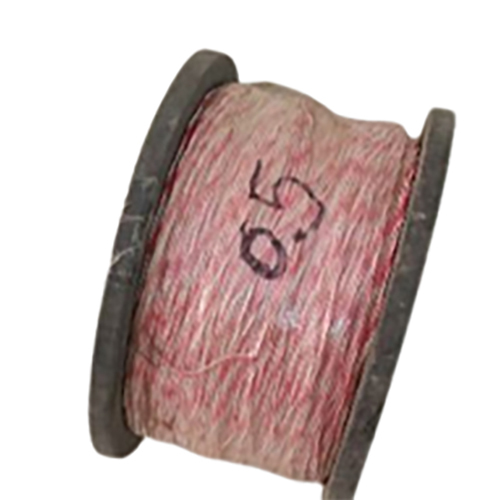
Jumper wire
Price 9 INR / Meter
Minimum Order Quantity : 100
Product Type : Jumper Wire
Material : Copper conductor with PVC insulation
Application : Internal circuit connections, breadboard prototyping, electronic kits
Features : Flexible, easy to strip, high conductivity, reusable
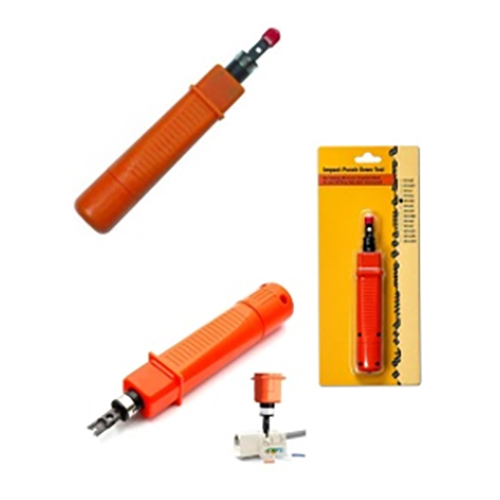
PUNCH DOWN TOOL
Price 1000 INR / Piece
Minimum Order Quantity : 10 Pieces
Product Type : Punch Down Tool
Material : Highimpact ABS plastic body, stainless steel blade
Application : Used for terminating network cables into patch panels, keystone modules, and surface mount boxes
Features : Replaceable blade, ergonomic handle, adjustable impact pressure, builtin hook and spudger

 Send Inquiry
Our Products

Shop No.18, Mayur Complex, Khodiyar Colony, Near Crystal Mall,Jamnagar - 361006, Gujarat, India

Mr Kantibhai A. Vadhvana
(Proprietor)
Mobile :08071793724
 Send Inquiry
 Send SMS
Developed and Managed by Infocom Network Private Limited.
